Diabetes Diet Program
A personalized nutrition program with our expert dietitians to balance your blood sugar and manage diabetes.

A personalized nutrition program with our expert dietitians to balance your blood sugar and manage diabetes.
Diabetes is a chronic disease characterized by elevated blood sugar levels which, if not properly treated, can lead to serious complications such as heart disease, kidney failure, nerve damage, and vision loss.
Our diabetes nutrition program, prepared by our expert dietitians, is personalized to balance your blood sugar, improve your HbA1c values, and help you reach your ideal weight.


Our diabetes nutrition program not only balances your blood sugar but also improves your overall health:
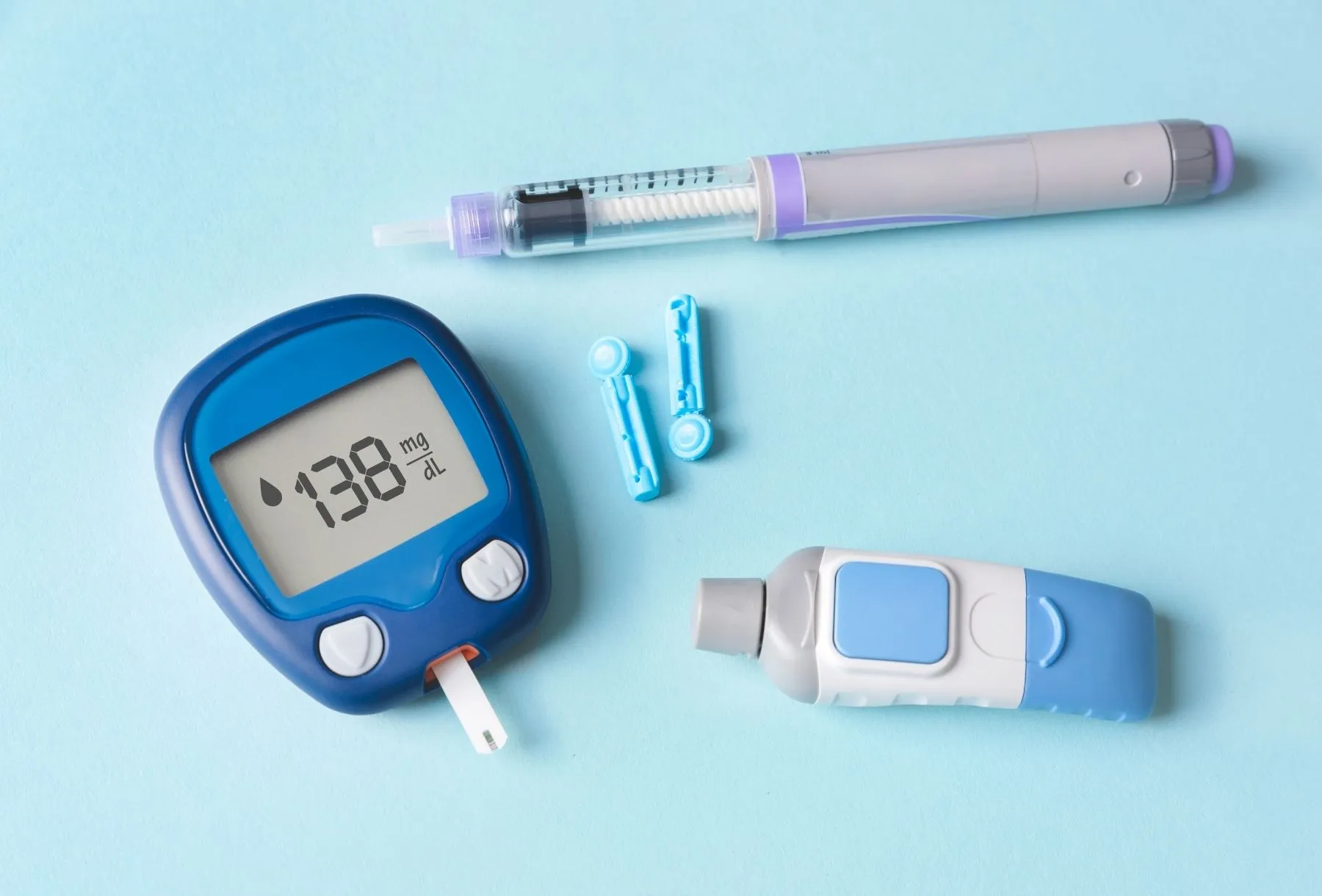
Your diabetes nutrition journey begins with a comprehensive initial assessment. Your blood sugar values, HbA1c level, medications, and current eating habits are examined in detail.
Get Started NowOur experienced dietitians guide you on your diabetes management journey.
We stand by you on your healthy nutrition journey with our experienced, specialized dietitians.
Every client has different needs. We help you reach your goals with programs prepared just for you.
Our programs are prepared based on current scientific research and evidence-based nutrition principles.
We closely monitor your progress with weekly and monthly follow-up sessions and update your program when needed.
If you can't meet in person, you can reach our experts from anywhere with our online consultation service.
We track your progress with scientific data through detailed measurements using our Tanita body composition analyzer.
Sugary drinks, white bread, processed foods, and sugary desserts should be limited.
Yes — with portion control, and low-glycemic-index fruits (apples, pears, strawberries) should be preferred.
It is a method of calculating the amount of carbohydrates consumed to adjust the insulin dose.
It is a measure showing how fast a food raises blood sugar. Low-GI foods raise blood sugar more slowly.
Occasionally, in small portions, and after a main meal.
It should be consumed in limited amounts and with food, remembering that it can lower blood sugar.
In Type 1, carb counting and insulin adjustment are critical. In Type 2, losing weight and increasing insulin sensitivity are the priorities.
150 minutes of moderate-intensity aerobic exercise per week and resistance exercise 2 days a week are recommended.
When blood sugar drops, fast-acting carbohydrates (fruit juice, glucose tablets) should be consumed.
Some patients can fast under doctor and dietitian supervision.
Green tea, cinnamon tea, and ginger tea can help balance blood sugar.
1–2 cups of unsweetened coffee a day is generally safe.