Digestive System Nutrition Diet
A personalized nutrition program with our expert dietitians to protect your digestive health and manage your symptoms.

A personalized nutrition program with our expert dietitians to protect your digestive health and manage your symptoms.
Digestive disorders span a wide range, from reflux to irritable bowel syndrome (IBS), and from gastritis to Crohn's disease. These conditions can seriously affect quality of life, and proper nutrition therapy plays a critical role in bringing symptoms under control.
Our digestive system nutrition program, prepared by our expert dietitians, is personalized according to your condition type, symptoms, trigger foods and overall health. A nutrition plan is prepared to soothe your digestive system, reduce inflammation and minimize your nutrition-related complaints.
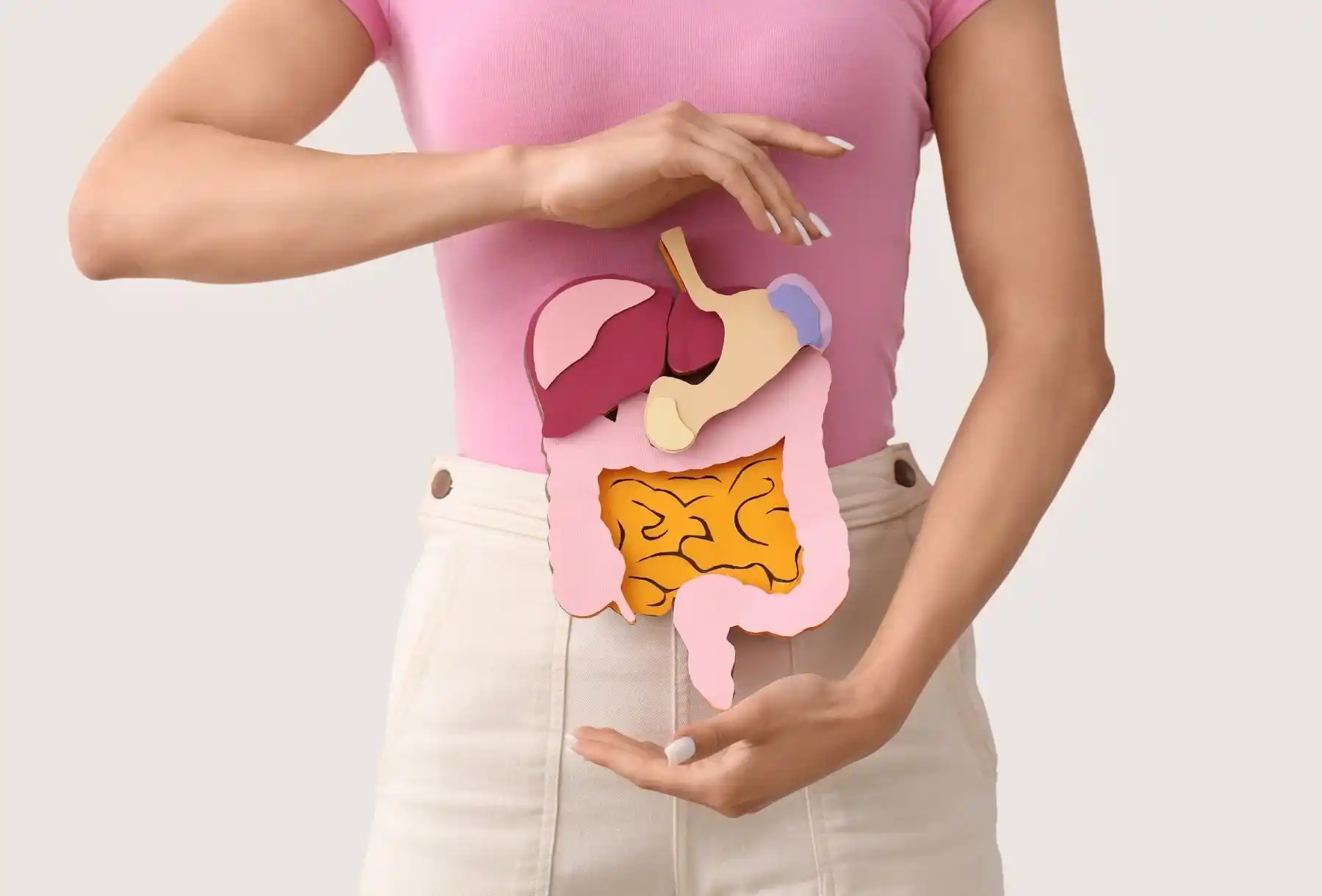

Our digestive system nutrition program not only reduces your symptoms but also improves your overall health:

Your digestive system nutrition journey begins with a comprehensive initial assessment. Your current symptoms, medical diagnosis, triggering factors and eating habits are examined in detail. A nutrition program tailored to you is prepared to soothe your digestive system. In regular follow-up sessions, your symptoms and nutritional status are monitored and your program is updated.
Get Started NowOur experienced dietitians guide you on your journey to protect your digestive health. Each member of our expert team offers solutions tailored to you.
We stand by you on your healthy nutrition journey with our experienced, specialized dietitians.
Every client's needs are different. With programs prepared just for you, we help you reach your goals.
Our programs are built on current scientific research and evidence-based nutrition principles.
We closely monitor your progress with weekly and monthly follow-up sessions and update your program when needed.
If you cannot meet in person, you can reach our experts from anywhere with our online consultation service.
We track your progress with scientific data through detailed measurements with our Tanita body analysis device.
Gas-producing foods (legumes, cabbage, onion), caffeine, alcohol, spicy foods and artificial sweeteners can trigger IBS symptoms.
It is an elimination diet that restricts foods rich in fermentable oligosaccharides, disaccharides, monosaccharides and polyols. It has been proven effective in IBS patients.
Fatty foods, chocolate, mint, caffeine, acidic drinks, tomatoes and spicy foods can trigger reflux.
They regulate the gut flora, improve digestion, strengthen the immune system and reduce inflammation.
Eating small, frequent meals, avoiding spicy and acidic foods, and not lying down right after meals can reduce gastritis symptoms.
High-fiber foods (whole grains, dried fruit, vegetables), plenty of water, olive oil and probiotic foods help relieve constipation.
During flare-ups, low-fiber, soft foods should be preferred. Food variety can be increased during remission. Protein and calorie needs are generally higher.
Eating slowly, limiting gas-producing foods, avoiding carbonated drinks and exercising regularly can reduce bloating.
It is a condition seen in people without celiac disease who experience digestive complaints when consuming gluten. A gluten-free diet under dietitian supervision is recommended.
Ginger tea, peppermint tea, chamomile tea and fennel tea support digestion and reduce gas complaints.
High-fiber foods, probiotic sources (yogurt, kefir), ginger, fennel and plenty of water can speed up slow digestion.
Light to moderate-intensity exercise supports digestion, reduces stress and regulates bowel movements.