Sports Nutrition
A personalized sports nutrition program with our expert dietitians to maximize your athletic performance, build muscle mass, and reach your goals.

A personalized sports nutrition program with our expert dietitians to maximize your athletic performance, build muscle mass, and reach your goals.
Sports nutrition is a specially planned nutrition approach to maximize athletic performance, speed post-training recovery, and reduce injury risk. Every sport has different energy and nutrient needs, and meeting these needs is critical for performance.
Our sports nutrition program, prepared by our expert dietitians, is personalized to your discipline, training intensity, body-composition goals, and individual needs. We aim to optimize your performance with pre-, intra-, and post-training nutrition strategies.


Our sports nutrition program not only boosts your performance but also supports your overall health:
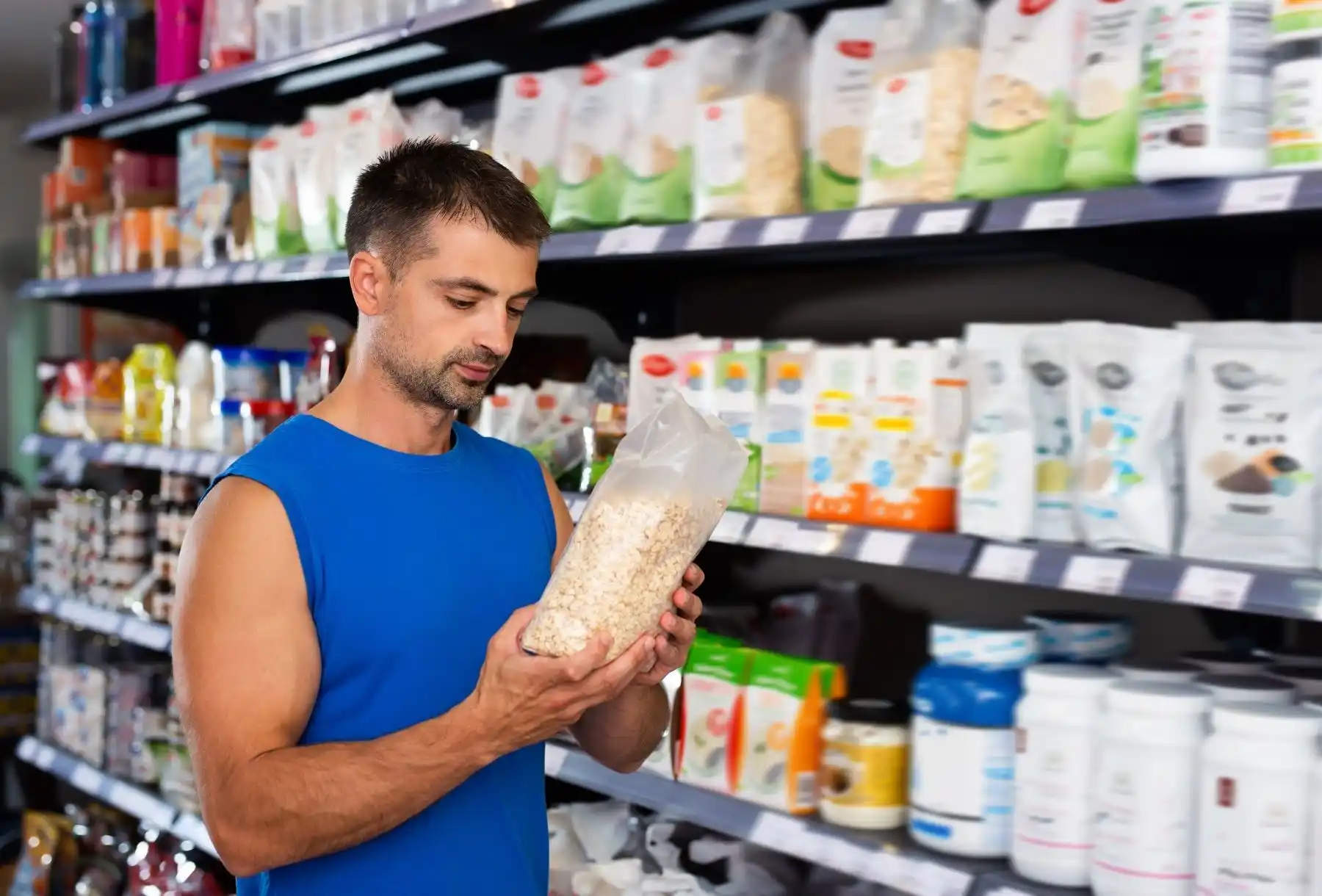
Your sports-nutrition journey begins with a comprehensive initial assessment. Your sport, training schedule, goals, body composition, and current eating habits are examined in detail. A personalized nutrition program that maximizes your performance is prepared. Your body analysis is done in regular follow-up sessions and your program is updated.
Get Started NowOur experienced dietitians guide you on your journey to boost athletic performance. Our expert team offers solutions tailored to you.
We stand by you on your healthy nutrition journey with our experienced, specialized dietitians.
Every client has different needs. We help you reach your goals with programs prepared just for you.
Our programs are prepared based on current scientific research and evidence-based nutrition principles.
We closely monitor your progress with weekly and monthly follow-up sessions and update your program when needed.
If you can't meet in person, you can reach our experts from anywhere with our online consultation service.
We track your progress with scientific data through detailed measurements using our Tanita body composition analyzer.
A balance of carbohydrates, protein, and fat matters. Carbohydrates are the primary energy source for performance; proteins are essential for muscle repair.
2–3 hours before training, a carbohydrate-rich, low-fat, moderate-protein meal should be eaten. Bananas, oats, and whole-grain bread are good options.
Protein and carbohydrate intake within 30 minutes after training is critical for muscle repair and replenishing glycogen stores.
Recommended protein intake for athletes is 1.6–2.2 g/kg/day. This amount can vary by discipline and training intensity.
Urine color should be light yellow. The weight difference before and after training shows fluid loss.
The priority is meeting needs from foods. If necessary, supplements such as creatine and protein powder can be used.
Yes — healthy fats are essential for hormonal balance and energy. 20–30% of daily calories should come from fats.
A light carbohydrate meal 3–4 hours before competition and a small snack 30–60 minutes before can be eaten.
Slow weight loss should be targeted, protein intake kept high, and carbohydrate restriction done carefully.
Yes — with proper planning, vegan athletes can meet their needs too. Special attention should be paid to protein, iron, B12, and zinc intake.
Creatine is a supplement that boosts short-term, high-intensity performance. A daily intake of 3–5 grams is usually enough.
It is a strategy used before competitions by endurance athletes to maximize carbohydrate stores.