Healthy Nutrition Program
A personalized nutrition program with our expert dietitians for a healthier, balanced, higher-quality life.

A personalized nutrition program with our expert dietitians for a healthier, balanced, higher-quality life.
Healthy nutrition is vital not only for losing or gaining weight but also for improving quality of life, raising energy levels, and protecting against disease. Correct eating habits positively affect your physical and mental health, strengthen your immune system, and slow the aging process.
Our healthy nutrition program, prepared by our expert dietitians, is personalized to your daily lifestyle, eating habits, health goals, and any health conditions. Our goal is to improve your relationship with food and help you build a sustainable, enjoyable eating routine.
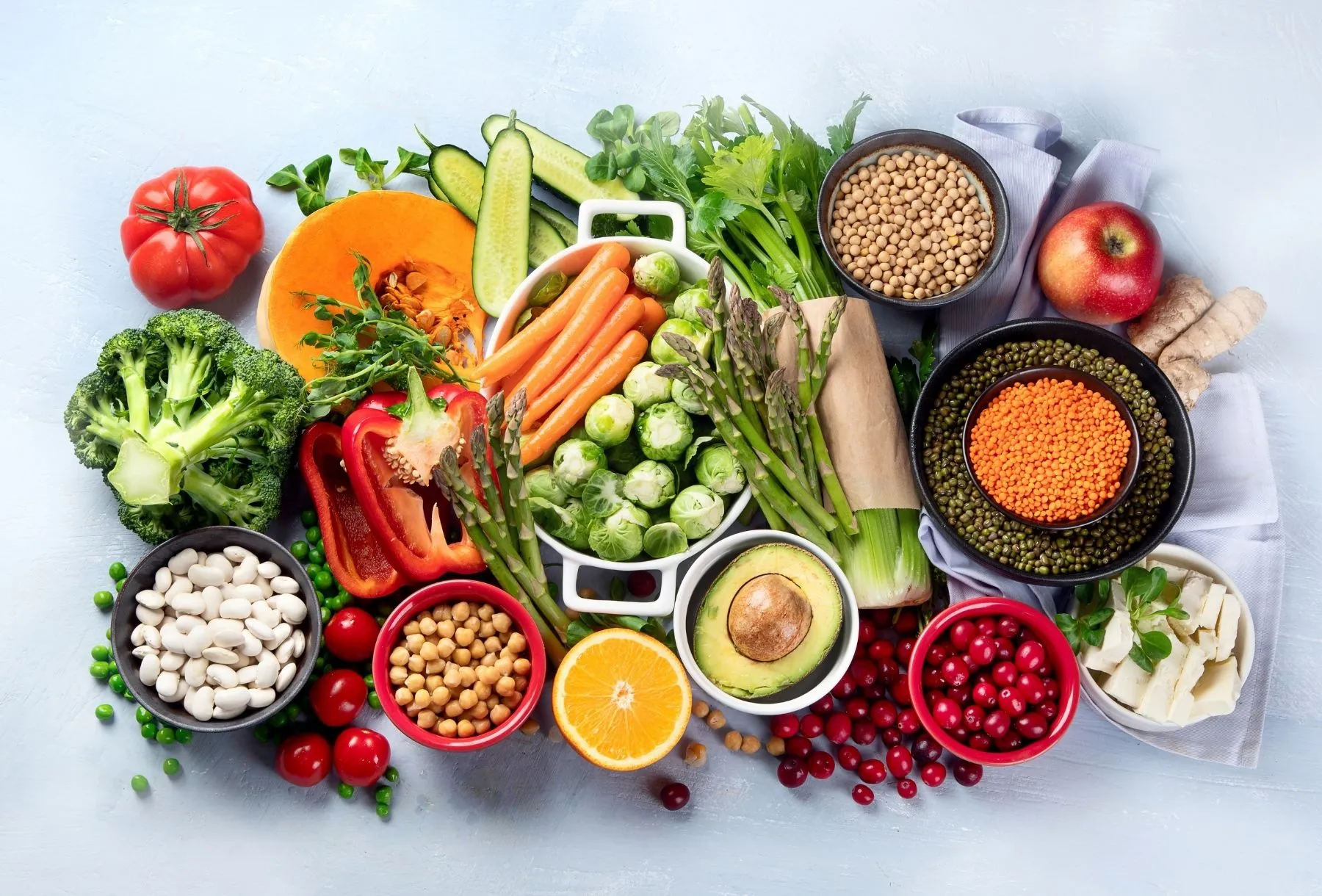

Our healthy nutrition program improves not only your eating habits but your entire quality of life:

Your healthy-nutrition journey begins with a detailed initial consultation and nutrition assessment. Your current eating habits, lifestyle, health status, and goals are examined in detail. A personalized, sustainable nutrition program is prepared. Your progress is reviewed in regular follow-up sessions and your program is updated.
Get Started NowOur experienced dietitians guide you on your healthy nutrition journey. Our expert team offers solutions tailored to you.
We stand by you on your healthy nutrition journey with our experienced, specialized dietitians.
Every client has different needs. We help you reach your goals with programs prepared just for you.
Our programs are prepared based on current scientific research and evidence-based nutrition principles.
We closely monitor your progress with weekly and monthly follow-up sessions and update your program when needed.
If you can't meet in person, you can reach our experts from anywhere with our online consultation service.
We track your progress with scientific data through detailed measurements using our Tanita body composition analyzer.
3 main meals and 1–2 snacks as needed are considered ideal. What matters more than meal count is that total nutrient intake is balanced.
Whole grains (oats, bulgur, brown rice), legumes, vegetables, and fruits are healthy carbohydrate sources. White bread, sugary drinks, and processed foods should be avoided.
The general recommendation is 8–10 glasses (2–2.5 liters) of water a day. But this amount can vary with activity level, air temperature, and body weight.
Our body can detoxify itself. Instead of overly restrictive detox programs, balanced nutrition and adequate water intake are the healthiest approach.
Organic foods may be safer in terms of pesticide residue, but there is no significant difference in nutritional value. What matters is eating adequately and diversely.
They support gut health, strengthen the immune system, and improve digestion. Yogurt, kefir, pickles, and kombucha are natural probiotic sources.
Eating healthily is not necessarily expensive. Seasonal vegetables, dried legumes, and whole grains are affordable healthy alternatives.
Fruit, nuts, yogurt, kefir, or whole-grain crackers are healthy snack alternatives. Avoid processed snacks.
25–30% of total calories should come from fats. Healthy fats such as olive oil, avocado, nuts, and fish should be preferred.
Eating dinner at least 2–3 hours before bed is recommended. Eating late at night can negatively affect sleep quality.
Daily added-sugar intake should be less than 10% of total calories (about 25–50 grams). Sugary drinks and processed desserts should be avoided.
Start with small, lasting changes. Reducing sugary drinks, increasing vegetable intake, or cooking at home can be a good start.